
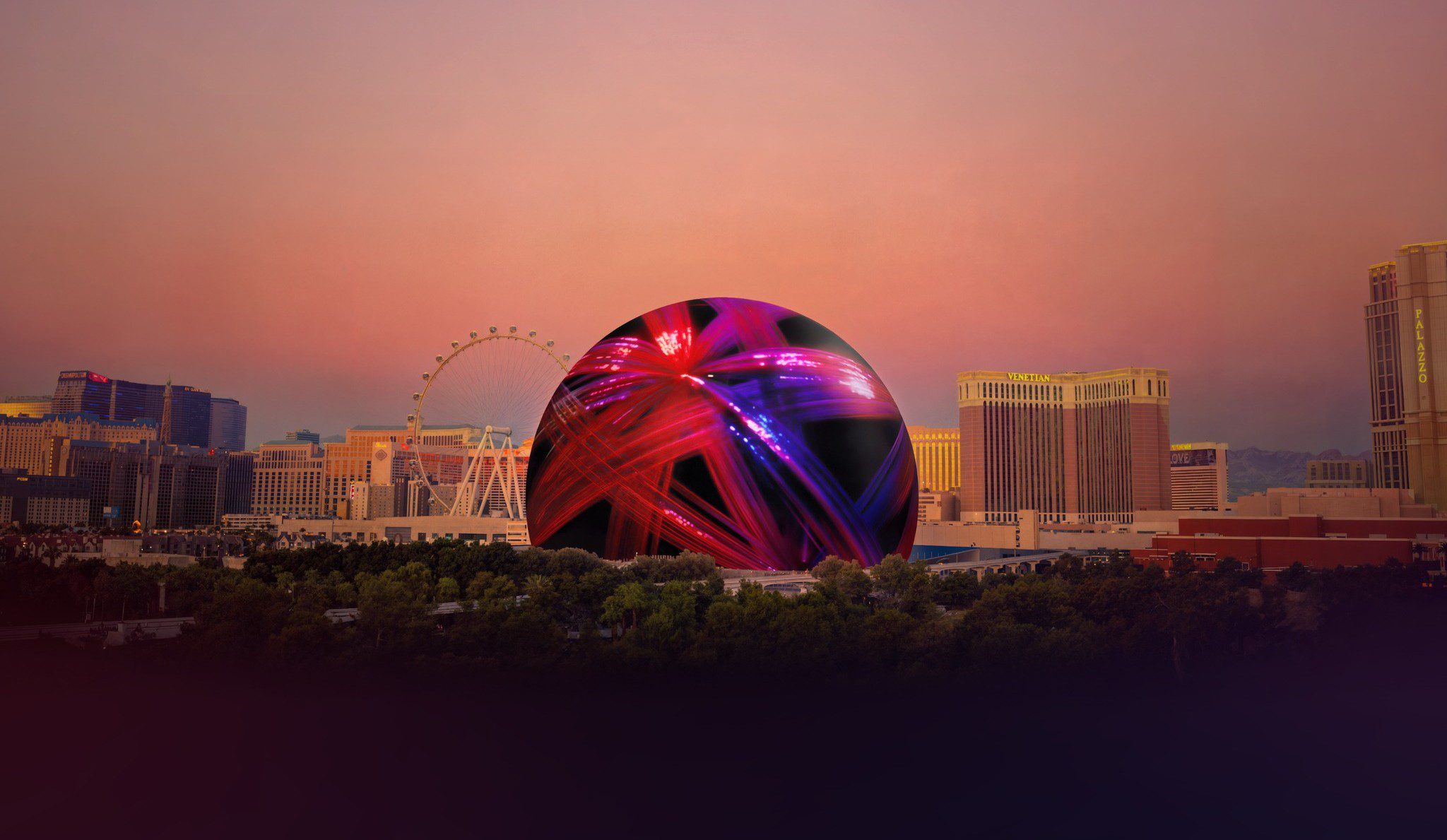
Every January, Las Vegas becomes the global stage for technological ambition. CES 2026 once again shows what the industry is capable of – but more importantly, it highlights how technology is evolving from experimentation to responsibility.
At dotparc, we don’t look at CES as a collection of trends. We see it as a signal: which innovations are mature enough to become part of real, sustainable IT architectures – and which are not.
CES in Perspective
Organized by the Consumer Technology Association, CES remains the world’s largest technology trade show. Thousands of companies come together to present new products, platforms, and ideas.
Its real value lies not in its size, but in the direction it sets for technology and business alike.
AI Becomes Infrastructure
AI dominates CES 2026 – but the narrative has changed.
Artificial intelligence is no longer positioned as a standalone feature. Instead, it is increasingly embedded into devices, systems, and processes: from robotics and mobility to smart environments and industrial solutions.
From an architectural standpoint, this is a critical shift. AI is becoming a building block, not an add-on – which raises a key question for organizations:
Is your IT landscape ready to support intelligent systems securely and at scale?
Robotics and Mobility: Intelligence Meets the Physical World
One of the clearest impressions at CES 2026 is the maturity of physical AI.
Robots and autonomous systems are no longer isolated machines. They are adaptive, cloud-connected, and tightly integrated with enterprise platforms. The same applies to modern mobility solutions.
Without a solid architectural foundation, these systems quickly become complex, insecure, and difficult to scale.
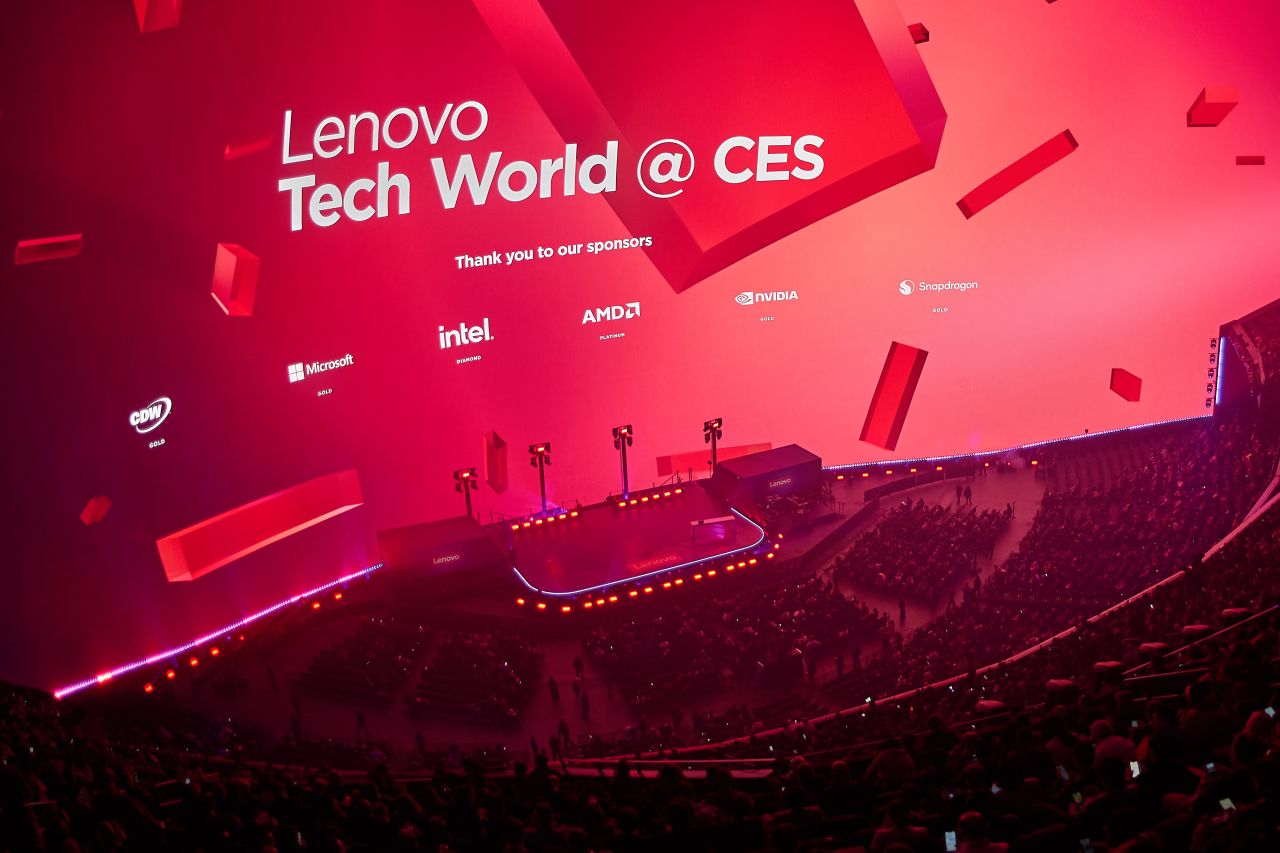
Lenovo at CES 2026: Engineering AI with Purpose
As a Lenovo partner, we followed Lenovo’s CES 2026 announcements with particular interest – and genuine excitement.
What stands out is how consistently Lenovo approaches innovation: not as isolated breakthroughs, but as well-engineered systems. Lenovo’s latest portfolio reinforces the idea that AI-ready devices must be designed from the ground up – combining hardware, firmware, security, and lifecycle management into a coherent whole.
From AI-optimized client devices to enterprise-grade infrastructure and edge solutions, Lenovo demonstrated a clear understanding of what organizations actually need next: reliable, scalable, and manageable platforms that fit into existing architectures.
This aligns strongly with our own philosophy at dotparc. Intelligent endpoints and modern infrastructure only create value when they are part of a documented, secure, and future-proof IT structure. Lenovo’s CES presence made it clear that the industry is moving away from experimental hardware toward architectural readiness – and that is exactly the direction we welcome.
Less Gimmick, More Integration
CES still delivers impressive consumer technology – from displays and wearables to smart home systems. What stands out in 2026, however, is a stronger focus on integration.
More products are designed to fit into broader ecosystems rather than operate in isolation – reflecting a growing understanding that sustainable innovation requires structure.
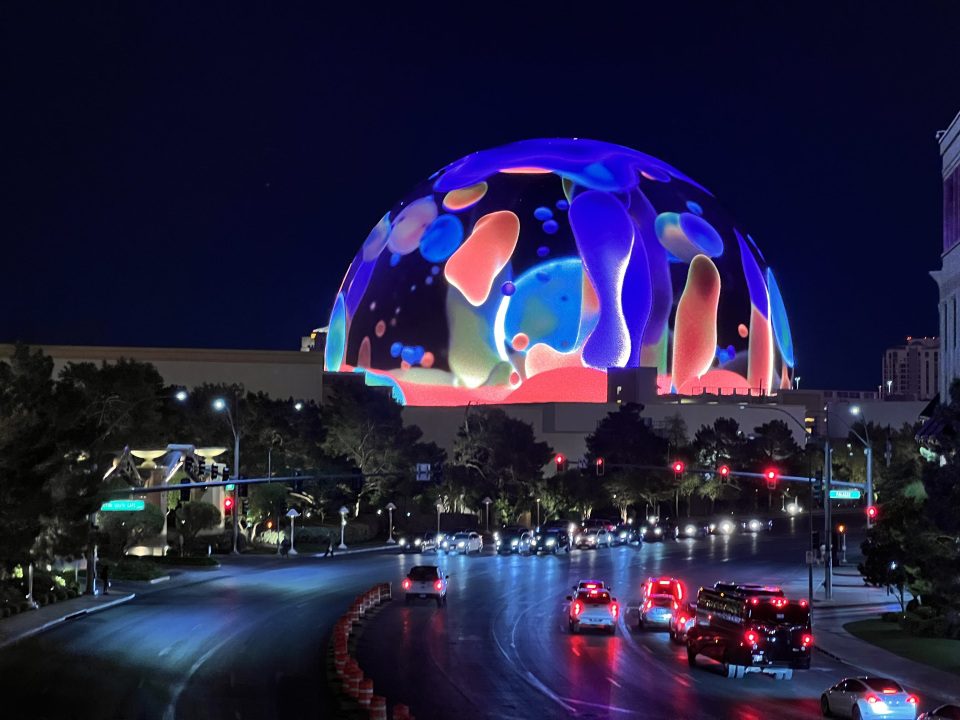
Photo source: @Lenovo
Our Takeaway
CES 2026 reinforces a belief we’ve held for years:
As AI and intelligent systems become operational realities, architectural thinking becomes essential.
The future isn’t about having the newest technology – it’s about making the right technologies work together.
That is the real lesson of CES 2026.
Ready to upgrade your online presence?
Book a free discovery call or contact our team for a no-obligation consultation.